Smart Grocery Shopping: Tips for Saving Money
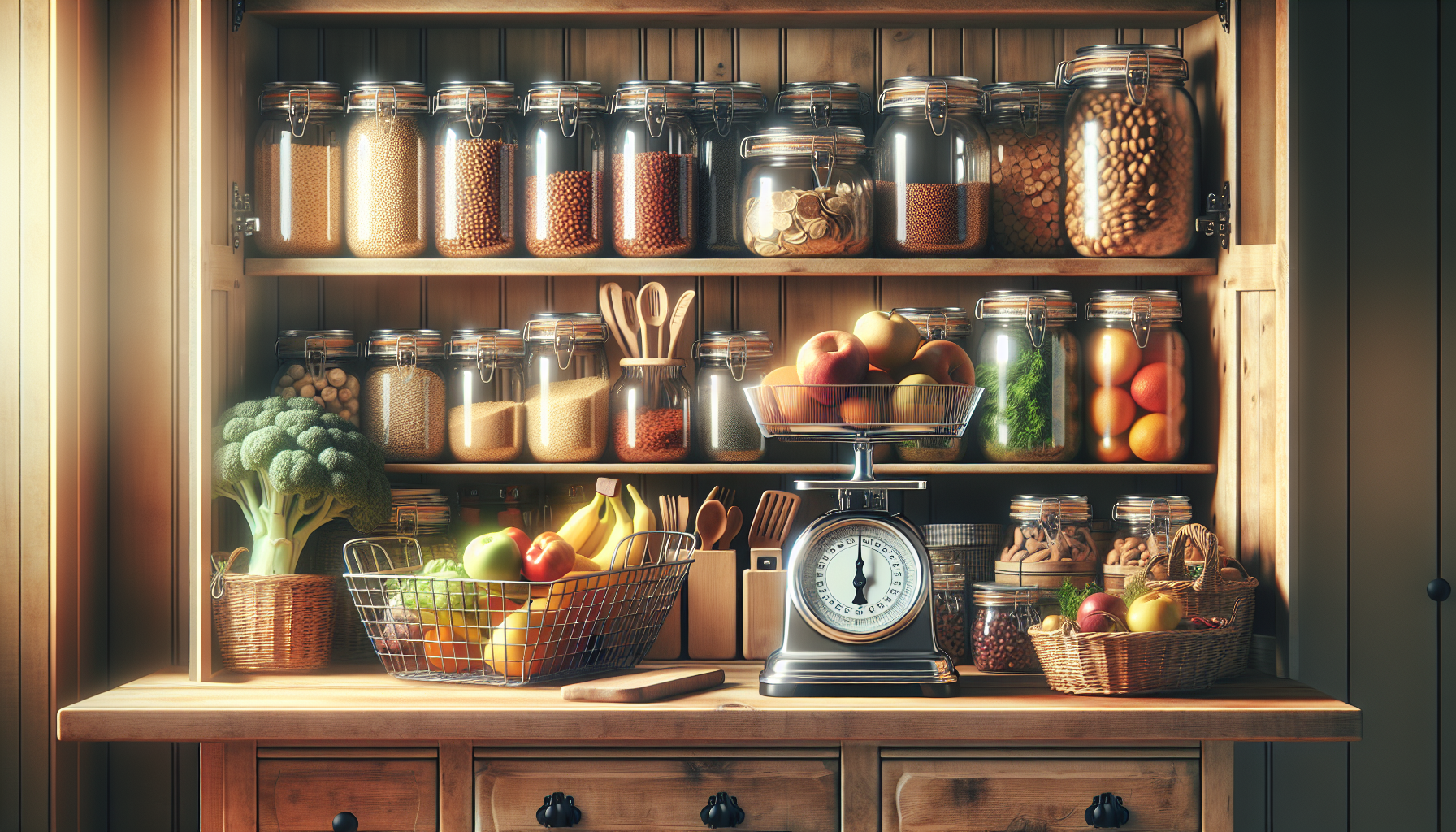
Smart Grocery Shopping: Tips for Saving Money
Grocery shopping can be a significant expense, but with the right strategies, you can keep your costs down without compromising on quality. Here are some practical tips to help you shop smarter and save money.
1. Plan Your Meals
Meal planning is a powerful tool to help you manage your grocery budget. By knowing what you need for the week, you can avoid impulse purchases and reduce food waste. Start by looking at your pantry to see what you already have, then plan meals around those items. PantryLink can make this easier by allowing you to track your pantry inventory and expiration dates, ensuring nothing goes to waste.
2. Make a Detailed Shopping List
Once your meals are planned, create a shopping list based on the ingredients you need. Stick to this list to avoid unnecessary spending. Share your list with family members using a collaborative app like PantryLink, ensuring everyone is on the same page.
3. Use Coupons Wisely
Coupons can significantly cut your grocery bill, but only if used smartly. Collect coupons for items you regularly use and try stacking them during sales for maximum savings. Online coupon sites and apps are great resources, and they often offer additional discounts when combined with store sales.
4. Compare Store Brands vs. Name Brands
Store brands are often just as good as name brands but at a fraction of the cost. Compare ingredients and read reviews to ensure you're getting quality products. Many store brands are made by the same manufacturers as name brands, meaning you can save money without sacrificing quality.
5. Shop Seasonally
Fruits and vegetables are cheaper and taste better when they're in season. Plan your meals around seasonal produce to save money and enjoy fresher flavors. Use PantryLink to track where you purchase these items, as some stores may offer better seasonal deals than others.
6. Buy in Bulk (When Practical)
Buying in bulk can be cost-effective for items you use frequently, such as rice, pasta, or canned goods. Ensure you have enough storage space and that the products have a long shelf life. PantryLink allows you to set vendors for your items, so you can remember which store offers the best bulk prices.
7. Avoid Shopping When Hungry
Shopping on an empty stomach can lead to impulse buying, especially of snacks and unnecessary items. Eat a meal or snack before you head out to shop, keeping your focus on your list and your budget.
8. Check Unit Prices
Always compare unit prices to ensure you're getting the best deal. Larger packages aren't always cheaper. Look at the price per ounce or pound to make informed decisions.
9. Limit Prepared and Processed Foods
Convenience comes at a cost. Prepared and processed foods are usually more expensive than making meals from scratch. Cooking at home allows you to control both the cost and quality of your meals.
10. Use PantryLink for Organized Shopping
To make the most of these tips and keep your grocery shopping efficient, consider using PantryLink. This app helps you manage your grocery lists collaboratively, track pantry inventory, and even remember where you purchase your items. By organizing your food management, you can enjoy savings, reduced food waste, and more delicious meals at home.
In Conclusion
With a bit of planning and the right strategies, budget grocery shopping can be a breeze. Implement these tips and use tools like PantryLink to take control of your grocery spending and enjoy quality meals without breaking the bank.
Ready to organize your pantry?
PantryLink helps you track inventory, plan meals, create shopping lists, and reduce food waste. Start free today!
Get Started Free