Mastering Food Storage: Extend Shelf Life Effortlessly
Mastering Food Storage: Extend Shelf Life Effortlessly
In today’s fast-paced world, effectively managing your pantry and refrigerator can make all the difference between a well-oiled kitchen and a chaotic one. Whether you're trying to cut down on grocery bills or reduce food waste, proper food storage techniques are essential. Let’s explore actionable steps you can take right now to preserve your food’s freshness and flavor.
Understand Expiration Dates vs. Best-By Dates
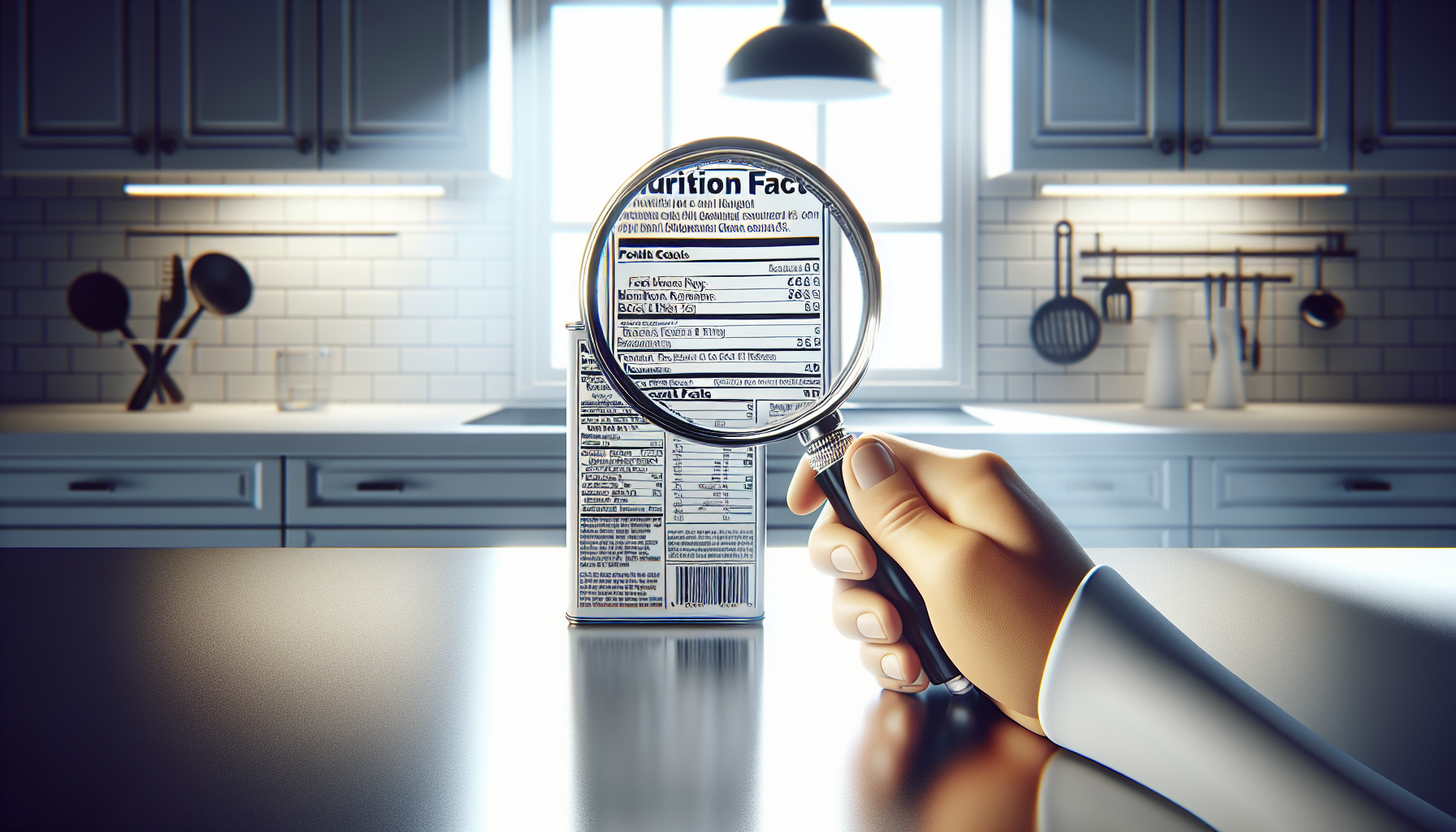
First things first—understanding the difference between expiration dates and best-by dates can save you from unnecessarily tossing out perfectly good food.
- Expiration Date: This is about safety. Foods should not be consumed past this date.
- Best-By Date: Indicates when a product will be at its peak quality. Food can still be consumed after this date, though it might not taste as fresh.
By knowing these differences, you can make informed decisions about what to keep and what to discard, minimizing waste and maximizing value.
Smart Pantry Organization
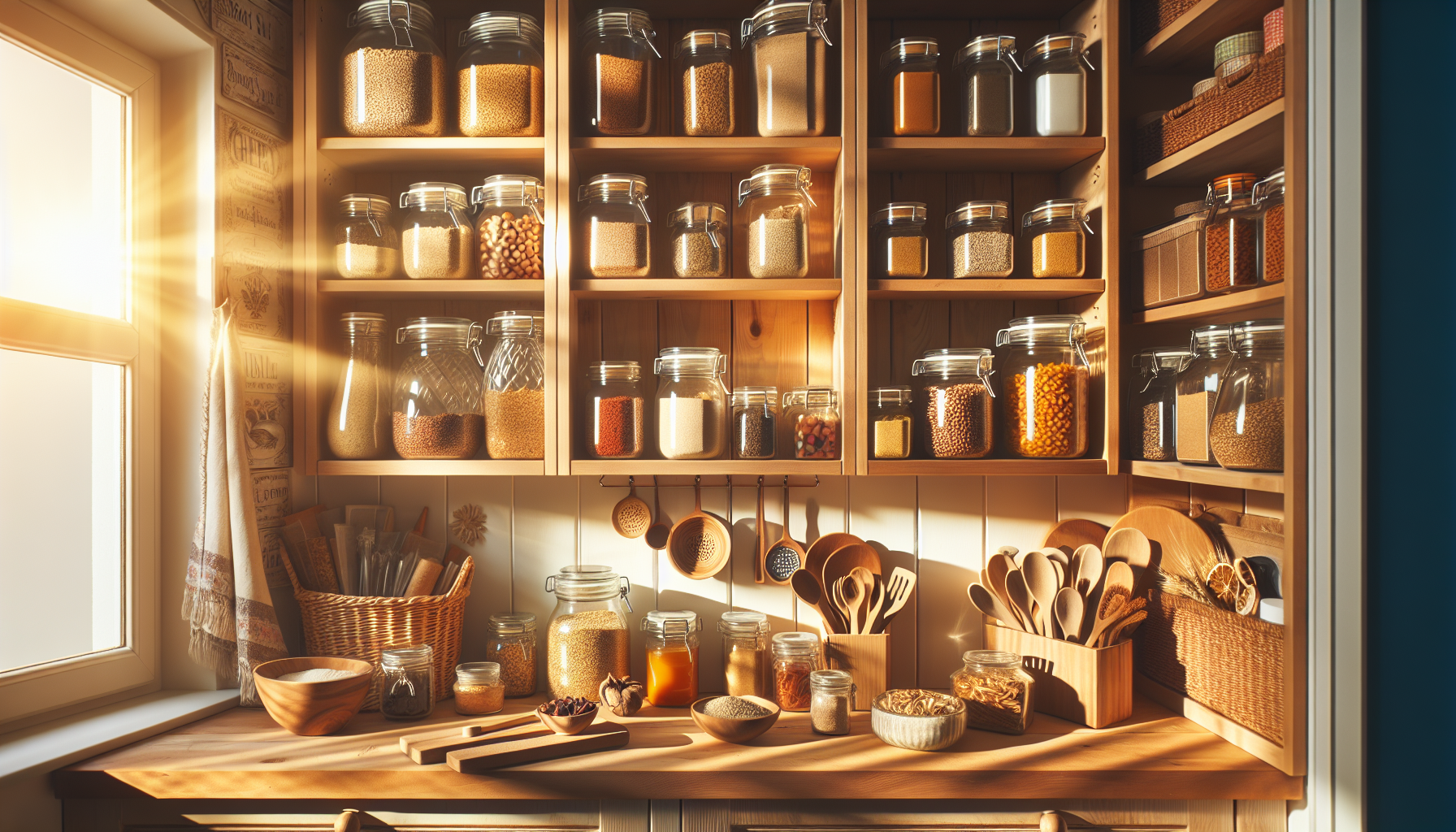
An organized pantry is a well-stocked pantry. Here are some tips to help you keep it tidy and efficient:
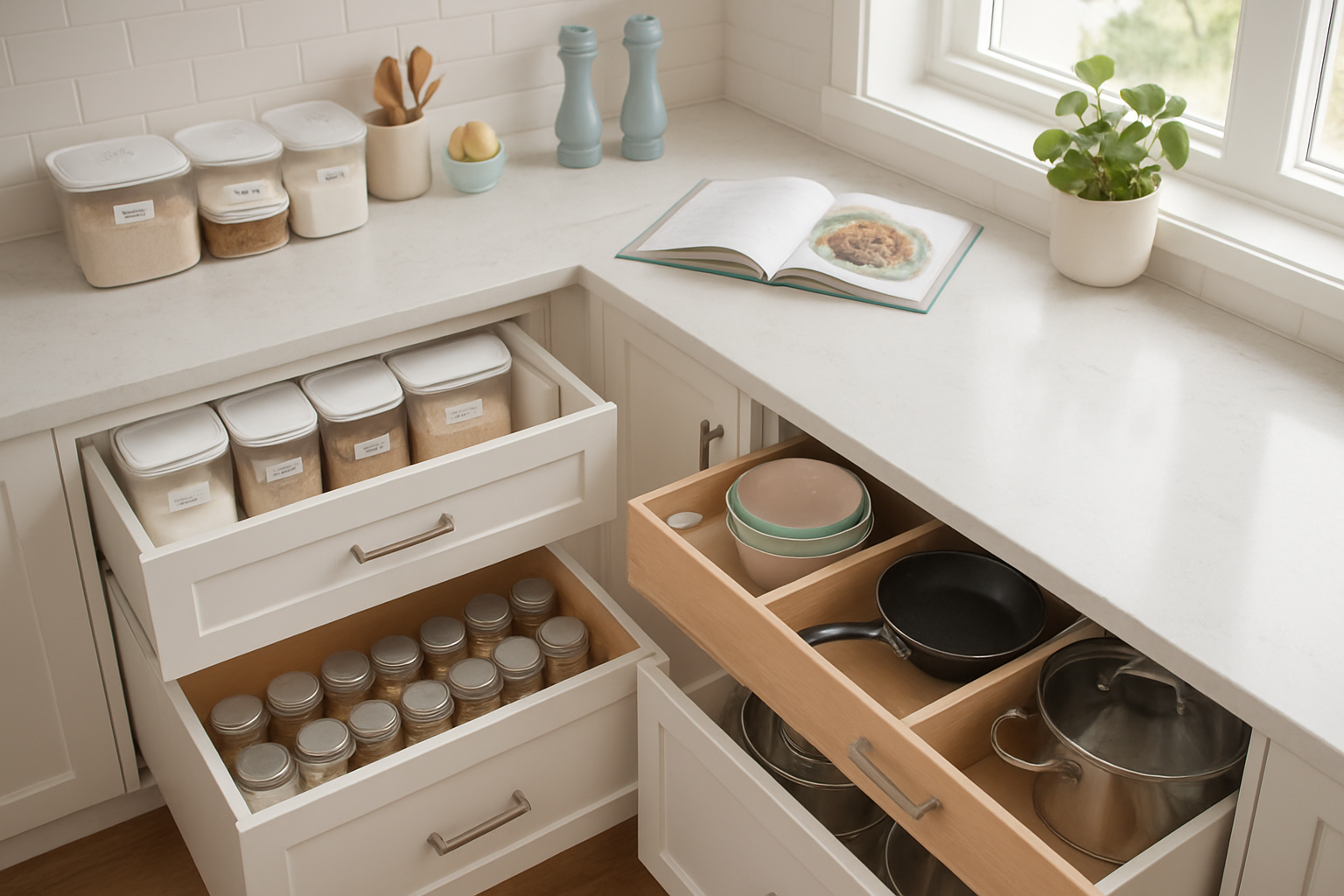
- Categorize and Label: Group similar items together (e.g., baking supplies, canned goods). Use clear containers with labels for easy identification.
- First In, First Out (FIFO): Store new items behind older ones. This encourages using up older items before they expire.
- Utilize Vertical Space: Use shelves or stackable bins to make the most of your pantry’s vertical space.
Maintaining an organized pantry not only helps you find items quickly but also ensures that nothing gets lost in the shuffle.
Proper Storage Techniques for Different Food Types
Different foods require different storage methods to maintain their freshness. Here’s how to handle some common categories:
Fruits and Vegetables
- Leafy Greens: Wash and dry thoroughly, then store in a breathable bag or wrapped in a paper towel inside an airtight container.
- Root Vegetables (e.g., carrots, potatoes): Store in a cool, dark place. Avoid refrigerating potatoes, as this can alter their taste.
- Berries: Rinse right before eating. Store in the fridge in a container lined with paper towels to absorb moisture.
Dairy and Eggs
- Milk: Keep on the fridge's shelves, not the door, to maintain a consistent cool temperature.
- Cheese: Wrap in wax paper, then place in a partially open plastic bag to allow it to breathe.
- Eggs: Store in their original carton on a fridge shelf, not the door.
Meat and Seafood
- Meat: Freeze if not using within a few days. Wrap tightly in plastic wrap, then aluminum foil to prevent freezer burn.
- Seafood: Best consumed fresh, but can be frozen. Rinse and pat dry, then wrap in moisture-proof packaging.
Freezing Tips to Extend Shelf Life
Freezing is an excellent way to extend the shelf life of many foods. Here are some tips to help you freeze effectively:
- Blanch Vegetables: Before freezing, blanch vegetables to preserve their texture and color.
- Portion Control: Freeze in meal-sized portions to make defrosting easier and prevent waste.
- Label Everything: Include the date and contents on freezer bags or containers to keep track of what you have and when it needs to be used.
How Food Management Apps Can Help
Modern food management tools, like PantryLink, can be your best friend in keeping track of inventory, expiration dates, and meal planning. With features like collaborative shopping lists and recipe organization, you'll find it easier to manage your pantry and meals efficiently.
Conclusion
Mastering food storage is about more than just knowing where to put your groceries. It involves understanding proper storage techniques, organizing your pantry, and making the most of tools available to you. By following these tips, you can extend the shelf life of your food, reduce waste, and save money—all while keeping your kitchen running smoothly.
Start implementing these strategies today, and you'll see a noticeable difference in the freshness and longevity of your pantry staples!
Ready to organize your pantry?
PantryLink helps you track inventory, plan meals, create shopping lists, and reduce food waste. Start free today!
Get Started Free