Create Balanced Meals: Easy Tips for Healthy Eating
Embrace Balanced Meal Planning for Healthier Living
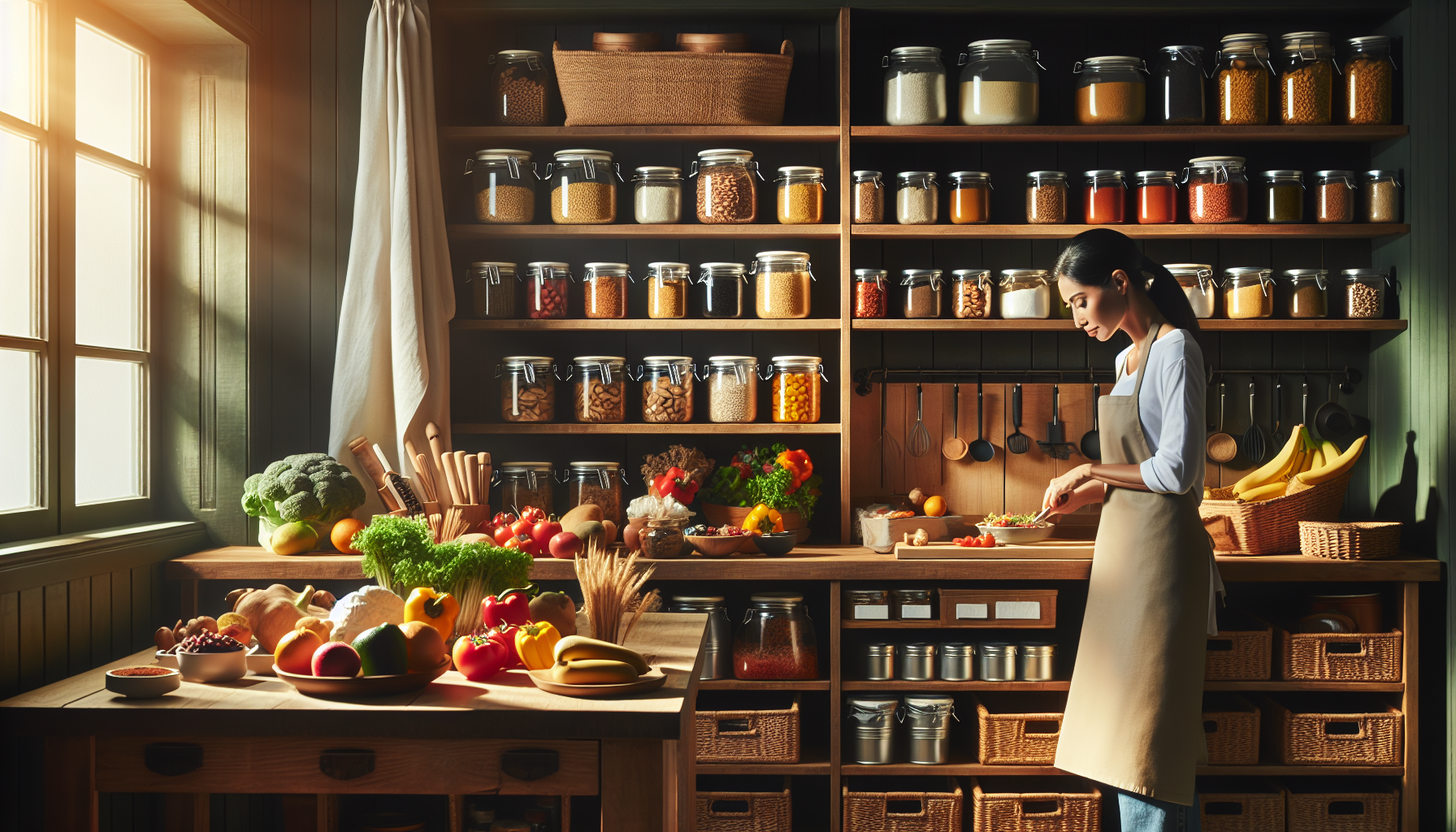
Eating healthy doesn’t have to be a chore. With a few adjustments and the right tools, you can transform your meals into nutritious powerhouses that satisfy the whole family. Balanced meal planning is key, and it's simpler than you might think.
The Pillars of a Balanced Meal
A balanced meal typically consists of the right proportions of protein, carbohydrates, and fats, along with a generous serving of fruits and vegetables. Here’s a quick way to visualize it:
- Proteins: Lean meats, fish, beans, and legumes should fill about a quarter of your plate. Not only do they maintain muscle mass, but they also keep you satiated longer.
- Carbohydrates: Opt for whole grains like brown rice or quinoa to get more fiber and nutrients.
- Fats: Healthy fats from sources like avocados, nuts, and olive oil are essential for brain health.
- Fruits and Vegetables: Fill half your plate with a variety of colors to ensure a good mix of vitamins and minerals.
Incorporating More Fruits and Vegetables
Adding fruits and veggies to your meals can be simple and delicious. Try these easy tips:
- Smoothies: Blend in spinach or kale with your morning fruit smoothie for an extra veggie boost.
- Snacks: Keep cut-up veggies in the fridge for quick snacks, or pair apple slices with peanut butter.
- Meals: Add vegetables to sauces, soups, and casseroles. Grated zucchini or carrots can add moisture and nutrients to dishes without altering the flavor significantly.
Reading Nutrition Labels
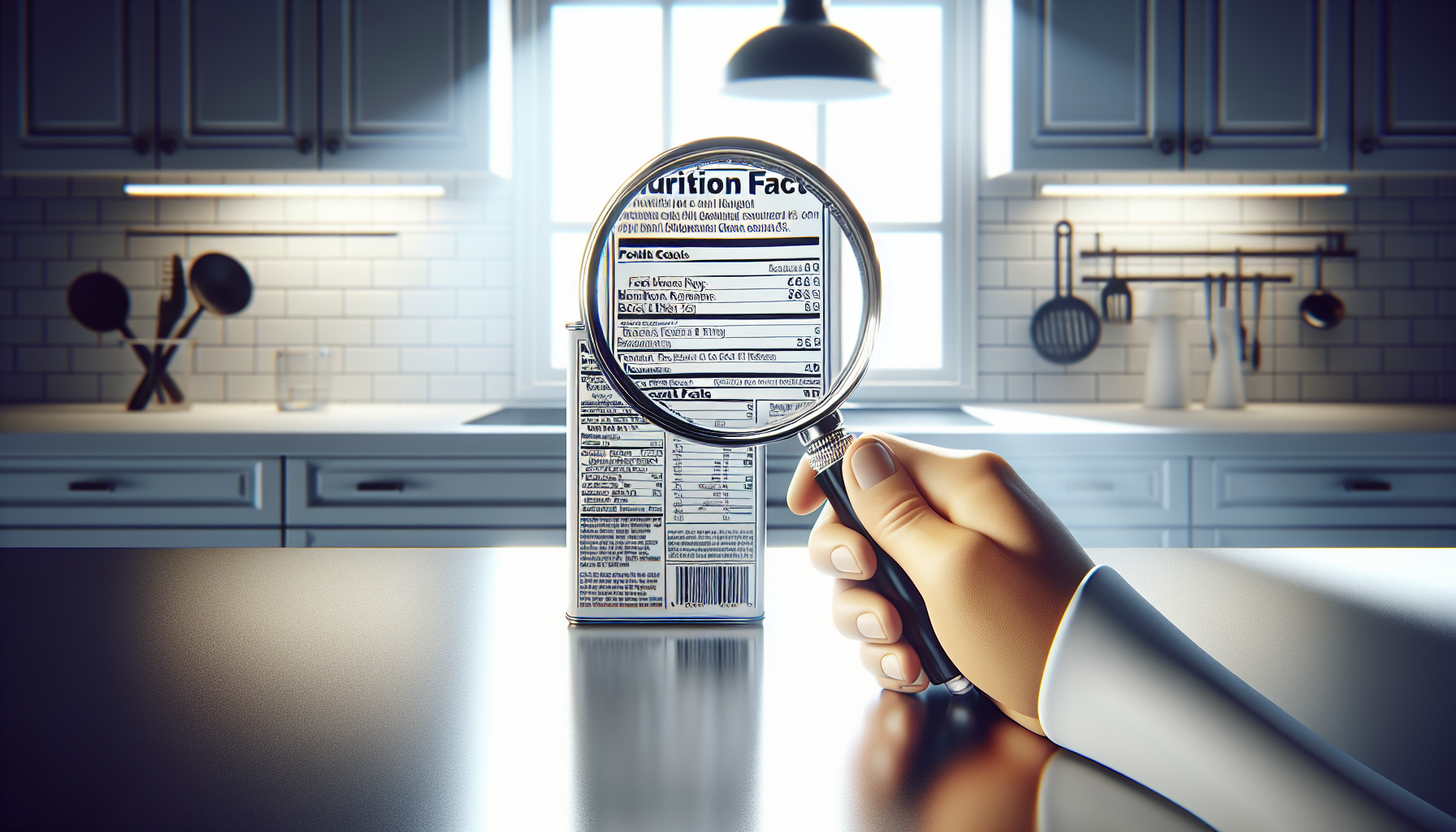
Understanding nutrition labels helps you make informed choices. Here’s what to look for:
- Serving Size: Make sure the portion sizes match your plans.
- Calories: Essential for managing energy intake.
- Nutrients: Check for dietary fiber, vitamins, and minerals. Minimize intake of sodium, sugars, and saturated fats.
- Ingredient List: Ingredients are listed by descending weight, so the first few items make up the bulk of the product.
Healthy Substitutions
Making small swaps can significantly boost the nutritional value of your meals:
- Use Greek yogurt instead of sour cream.
- Replace white rice with cauliflower rice.
- Substitute creamy dressings with vinaigrettes.
- Use applesauce as a natural sweetener in baking.
Family-Friendly Healthy Eating
Get the entire family on board with these ideas:
- Cooking Together: Turn meal prep into a family activity. Let kids choose a new vegetable to try each week.
- Themed Nights: Make healthy eating fun with themes like "Meatless Monday" or "Taco Tuesday" featuring fresh ingredients.
- Involvement: Encourage kids to help plan and prepare meals, fostering lifelong healthy habits.
How Technology Can Assist
For those seeking guidance, PantryLink.app offers AI-generated meal plans tailored to your family’s nutritional settings. This includes suggesting meals that maximize the use of pantry staples, reduce waste, and keep your diet balanced with ease.
Final Thoughts
Eating healthy as a family is about balance and making smart choices. By incorporating these tips, you can enjoy a varied diet that's both delicious and nutritious. With PantryLink.app, organizing your meals and maintaining a healthy pantry has never been easier. Happy healthy eating!
Ready to organize your pantry?
PantryLink helps you track inventory, plan meals, create shopping lists, and reduce food waste. Start free today!
Get Started Free