Smart Tips for Reducing Food Waste at Home
The Importance of Reducing Food Waste
Food waste is a significant issue that affects not only our households but also the environment. Did you know that nearly one-third of all food produced globally gets wasted, contributing to massive financial losses and environmental harm? By taking small steps to reduce food waste, you can make a big difference both in your home and for the planet. Here's how you can start.
Creative Ways to Use Leftovers
- Reinvent Meals: Transform last night's dinner into something new. Leftover vegetables can become a hearty soup or a tasty frittata. Got extra grains like rice or quinoa? Stir them into a salad or a stir-fry.
- Freeze for Later: If you're unsure what to do with leftovers, freezing can be a lifesaver. Portion out meals and store them in airtight containers. This not only preserves your food but also provides a quick meal option.
- Embrace Smoothies: Fruits and some veggies nearing their expiration? Blend them into a nutritious smoothie. It's a healthy and delicious way to ensure nothing goes to waste.
Composting Basics
Composting is an excellent method to recycle food scraps and create nutrient-rich soil for your garden. Here's a quick guide to getting started:
- Choose a Container: Whether it’s a dedicated compost bin or a simple pile in your backyard, select a space that suits your environment and needs.
- Balance Your Greens and Browns: Keep a ratio of two-thirds browns (e.g., dried leaves, cardboard) to one-third greens (e.g., fruit scraps, coffee grounds) for best decomposition.
- Maintain the Pile: Turn your compost regularly and keep it moist to speed up the breakdown process.
Understanding Portion Sizes
Planning meals with appropriate portion sizes can significantly reduce leftovers and food waste. Here are some tips:
- Use Measuring Tools: Measuring cups and kitchen scales can help determine accurate portion sizes.
- Plan Your Meals: Design a weekly meal plan to avoid over-preparing. Sites like PantryLink.app can recommend recipes based on your inventory, including items nearing expiration.
- Practice Mindful Eating: Serve smaller portions and go back for seconds if needed. This helps prevent wastage from uneaten food.
Tracking What Gets Thrown Away
Understanding your waste habits is key to improvement. Keep a record of what you throw out over a couple of weeks. Identify patterns like frequently discarded produce or expired pantry items.
How PantryLink Can Help
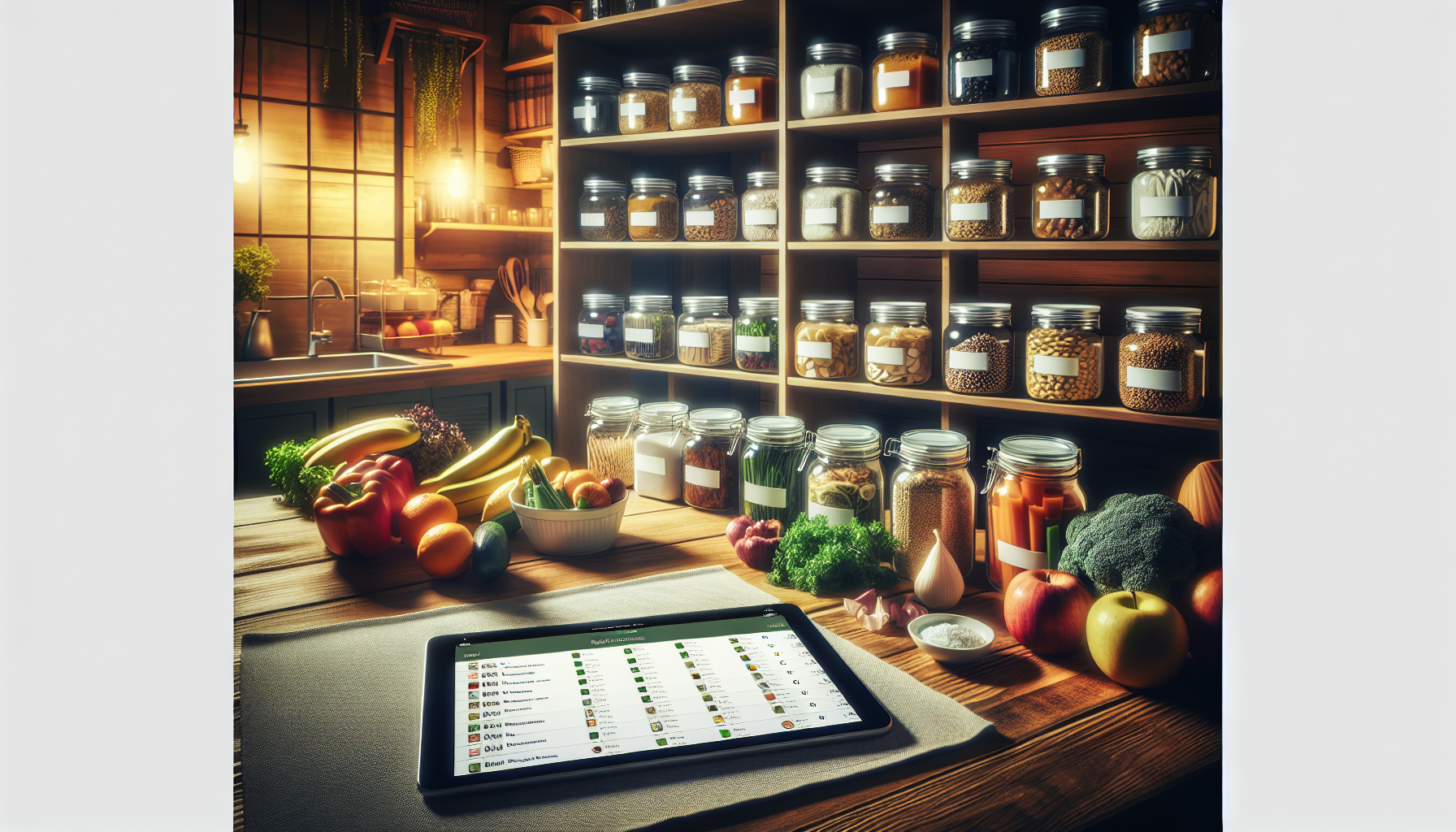
PantryLink.app offers features to help manage this process effortlessly. You can track your pantry inventory and receive notifications when items are about to expire. The app's smart recipe suggestions enable you to use up those soon-to-expire ingredients creatively.
The Financial and Environmental Benefits
By reducing food waste, you not only save money but also contribute to reducing greenhouse gases from decomposing food in landfills. This simple change can have a substantial positive impact on your finances and the environment.
Final Thoughts
Reducing food waste is an achievable goal with significant benefits. By implementing these practical tips and utilizing helpful tools like PantryLink, you can create a more sustainable and efficient household. Start today and enjoy the rewards of less waste, better meals, and a healthier planet.
Ready to organize your pantry?
PantryLink helps you track inventory, plan meals, create shopping lists, and reduce food waste. Start free today!
Get Started Free