Seasonal Cooking Tips for a Delicious Holiday Meal
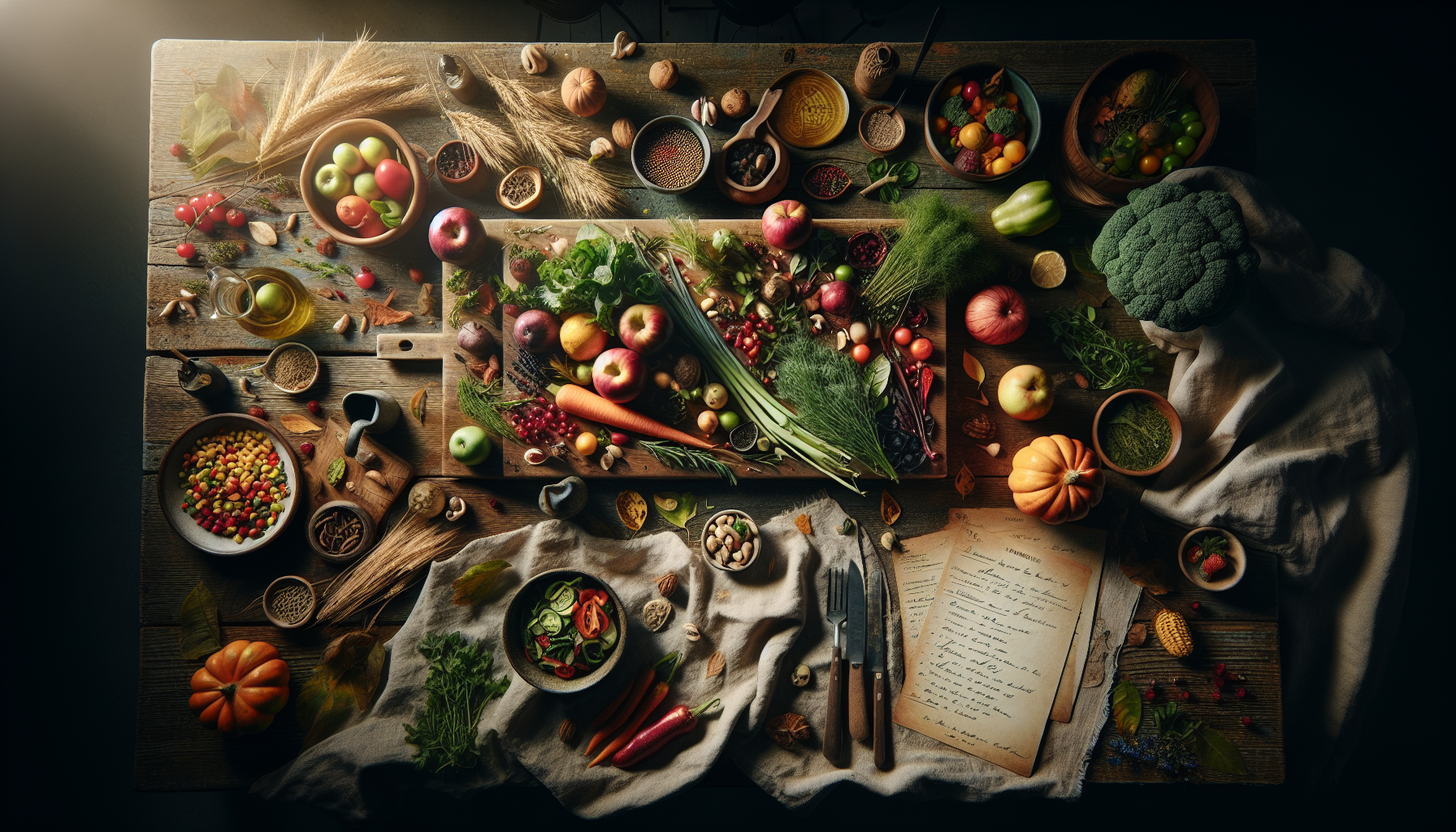
Embrace Seasonal Cooking for Your Holiday Feast
As the holiday season approaches, the excitement of planning festive meals is in the air. This year, consider focusing on seasonal cooking to make your holiday feast not only delicious but cost-effective and nutritious too. Seasonal produce offers peak flavors and essential nutrients, often at lower prices than off-season imports. Here’s how you can make the most of these ingredients and streamline your holiday meal planning.
Why Cook Seasonally?
Cooking with seasonal ingredients has multiple benefits:
-
Flavor and Nutrition: Produce harvested at its peak is more flavorful and packed with nutrients. Seasonal vegetables and fruits can turn a simple dish into a gourmet experience.
-
Cost Efficiency: Local, in-season produce is usually more affordable due to lower shipping and storage costs. This can help you manage your grocery budget more effectively.
-
Environmental Impact: Eating seasonally reduces the demand for out-of-season produce, cutting down on the carbon footprint associated with long-distance transportation and storage.
Seasonal Produce for Your Holiday Table
Here are some seasonal ingredients perfect for a holiday meal:
- Root Vegetables: Carrots, sweet potatoes, and parsnips are abundant in fall and early winter. They make excellent roasts or creamy soups.
- Cranberries: These tart berries add a festive touch to sauces and desserts.
- Brussels Sprouts: When roasted with a bit of olive oil and garlic, they become a crowd-pleaser.
- Winter Squash: Butternut or acorn squash can be stuffed, roasted, or pureed for a comforting side dish.
Meal Planning Tips
-
Create a Balanced Menu: Combine rich main courses with lighter sides of seasonal salads or roasted vegetables to keep your meal balanced.
-
Incorporate Family Favorites: While seasonal ingredients can inspire new dishes, remember to include traditional family favorites to satisfy your guests.
-
Plan for Leftovers: Consider how leftovers can be reinvented to reduce waste. For example, transform roast turkey into a hearty soup or sandwiches.
Preserving Seasonal Ingredients
To extend the bounty of the season, consider preserving some of your ingredients:
- Freezing: Freeze berries, blanched vegetables, or pre-cooked dishes for later use.
- Canning and Pickling: Preserve jams, sauces, or pickled vegetables to enjoy through the winter months.
Managing Your Pantry
Organizing your pantry effectively can help streamline your holiday cooking. Here’s how a tool like PantryLink can make a difference:
- Inventory Management: Track what you have on hand to avoid overbuying and ensure you use ingredients before they expire.
- Shopping List Coordination: Collaborate with family members on a shared grocery list to ensure nothing is forgotten.
- Recipe Organization: Keep your favorite holiday recipes easily accessible and updated for seamless cooking.
Conclusion
Cooking with seasonal produce not only enhances the taste and nutrition of your meals but also supports local agriculture and keeps your budget in check. By incorporating these tips and utilizing smart food management tools, your holiday meal planning can be both enjoyable and efficient. Start planning your festive feast today and savor the rich flavors of the season!
For more tips on organized cooking and food management, explore the features of PantryLink.
Ready to organize your pantry?
PantryLink helps you track inventory, plan meals, create shopping lists, and reduce food waste. Start free today!
Get Started Free